Carbon is now a cost item. See what is changing in your sector on one page.
CBAM entered its definitive period on 1 January 2026 and EU ETS 2 follows in 2028. For importers and producers of steel, aluminium, cement, fertilisers, electricity and hydrogen we explain obligations, costs and next steps in plain language.
Choose your sector
Emission sources, default values and costs differ by sector. The details are on the sector pages.
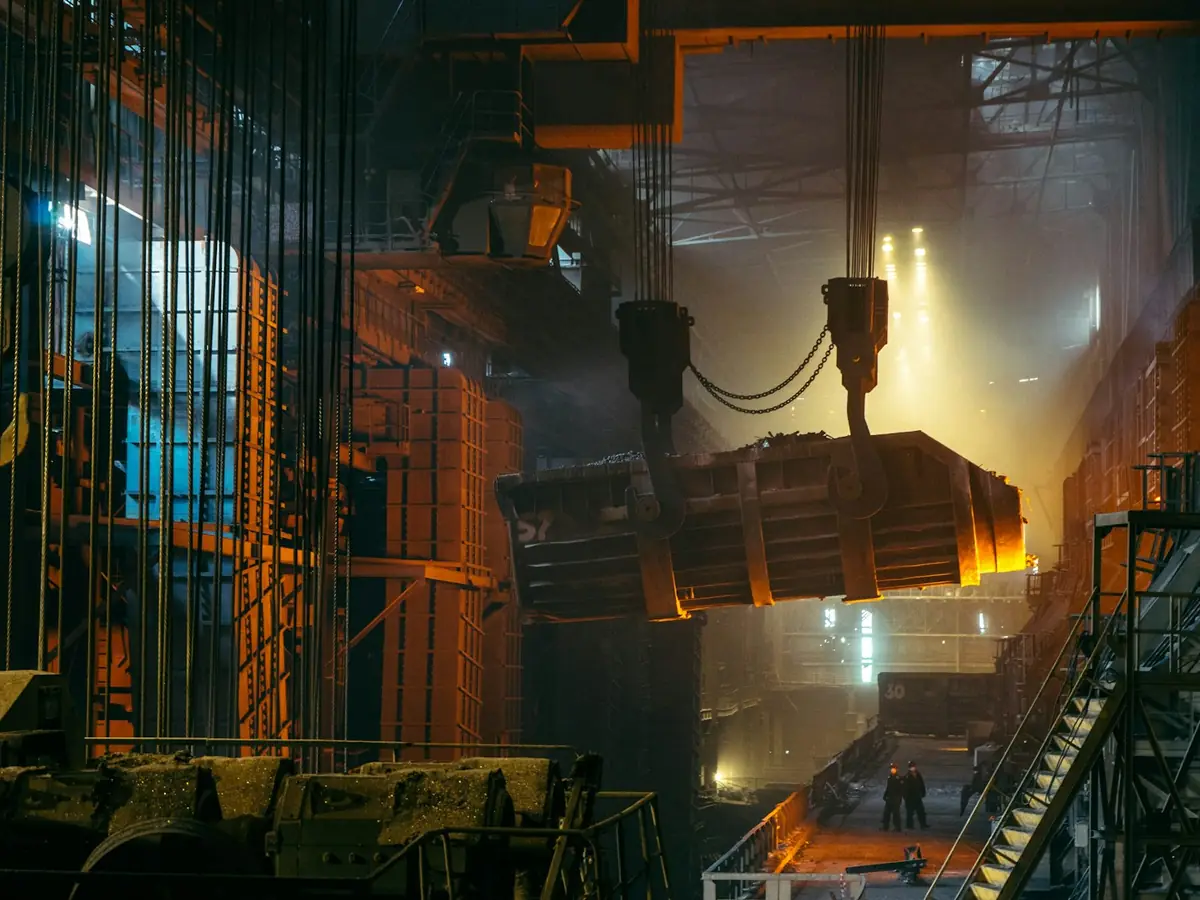
Steel
CBAM for steel: what each imported tonne costs from 2026
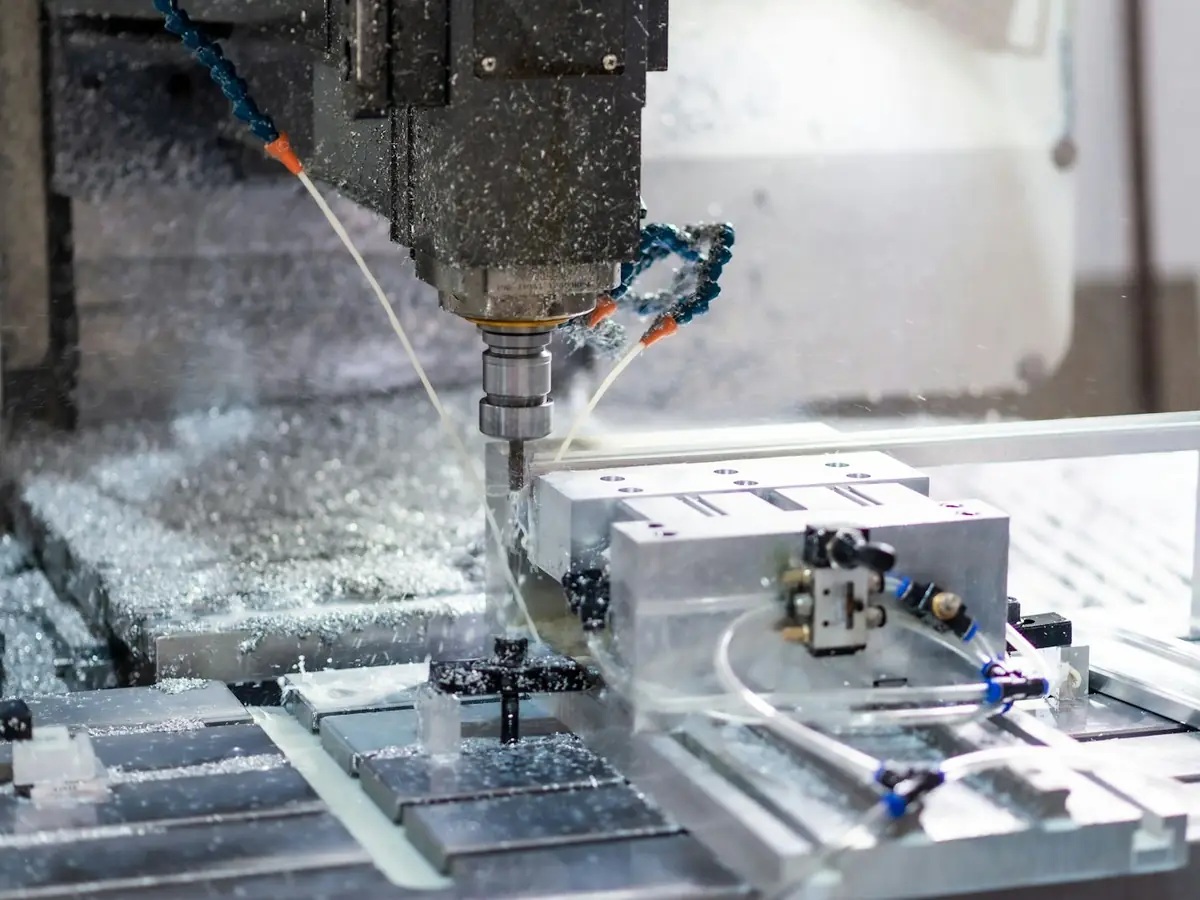
Aluminium
CBAM for aluminium: primary metal, profiles and sheet
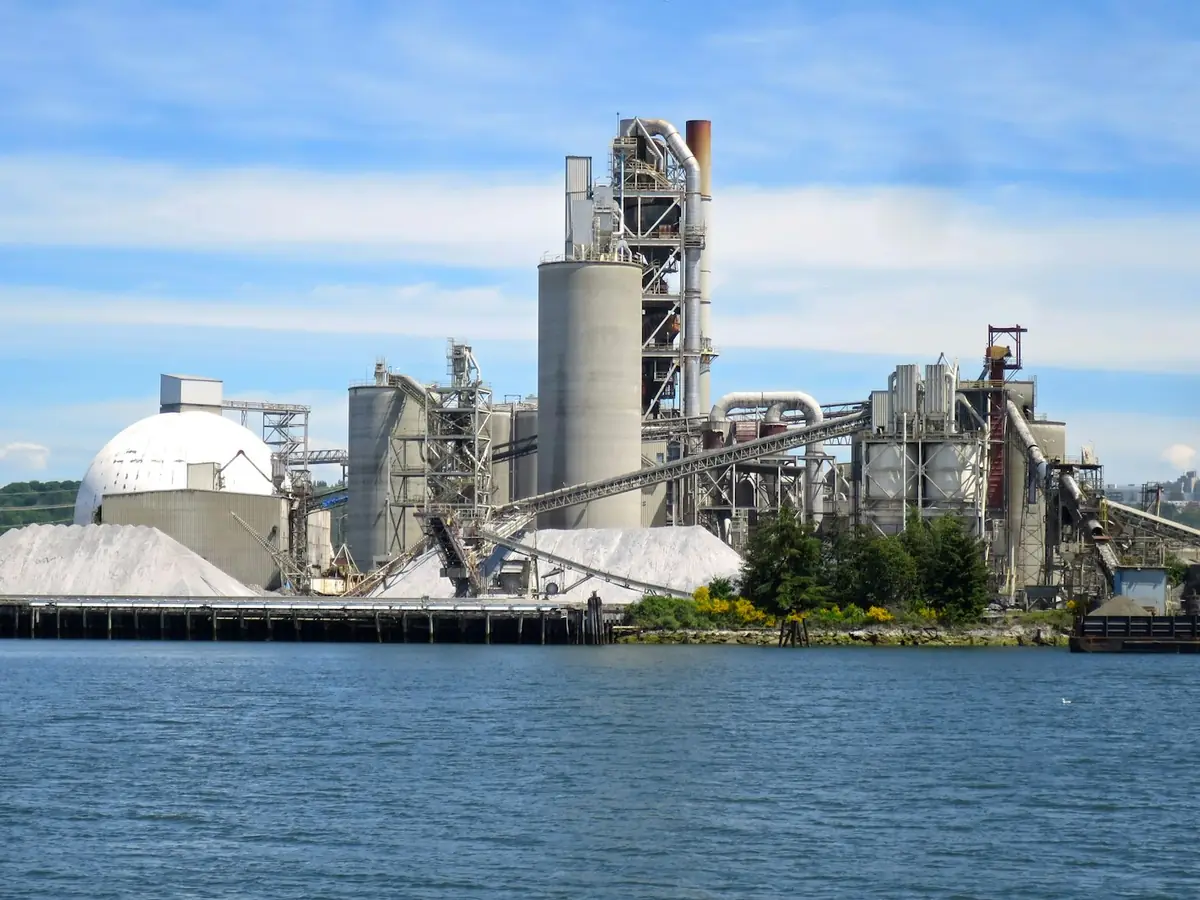
Cement
CBAM for cement: why actual data is worth twice as much
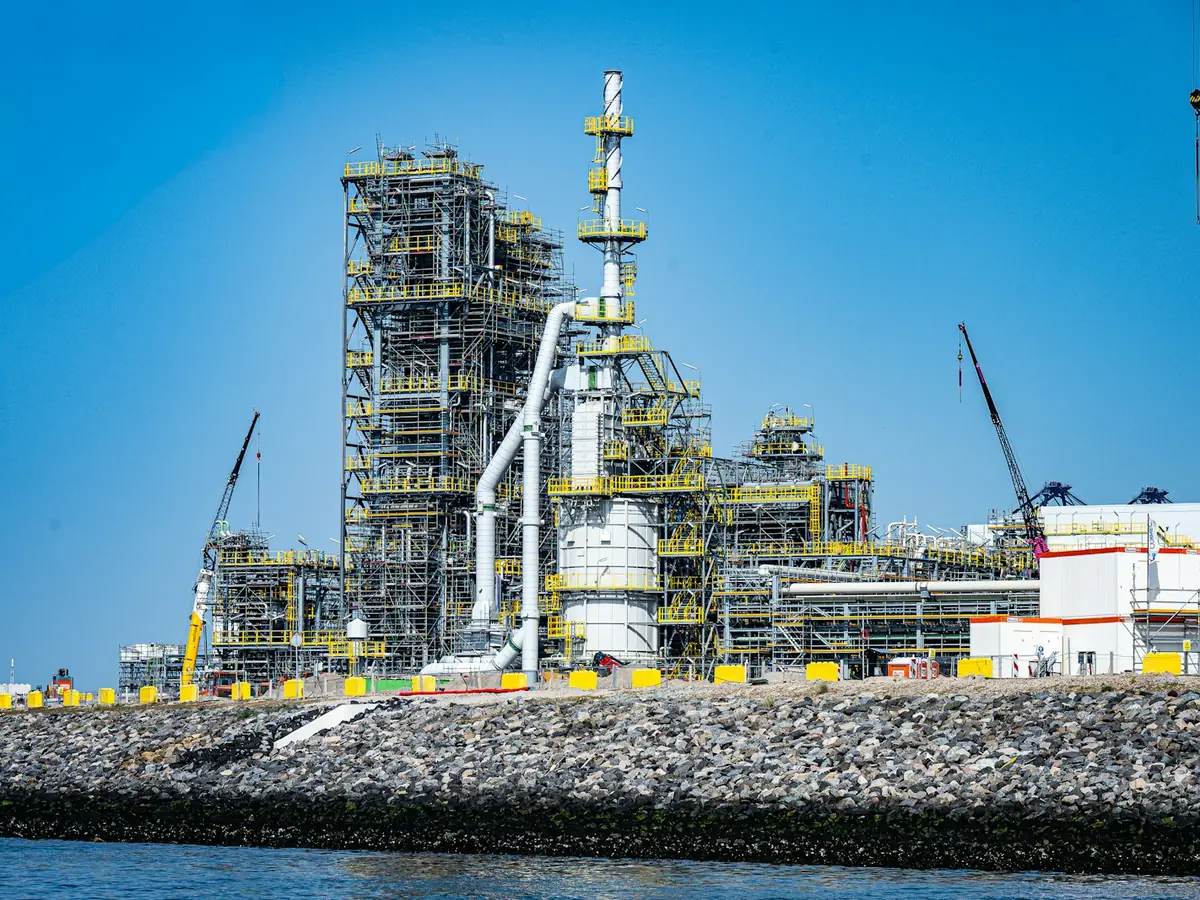
Fertilisers
CBAM for fertilisers: ammonia, nitric acid, urea and NPK
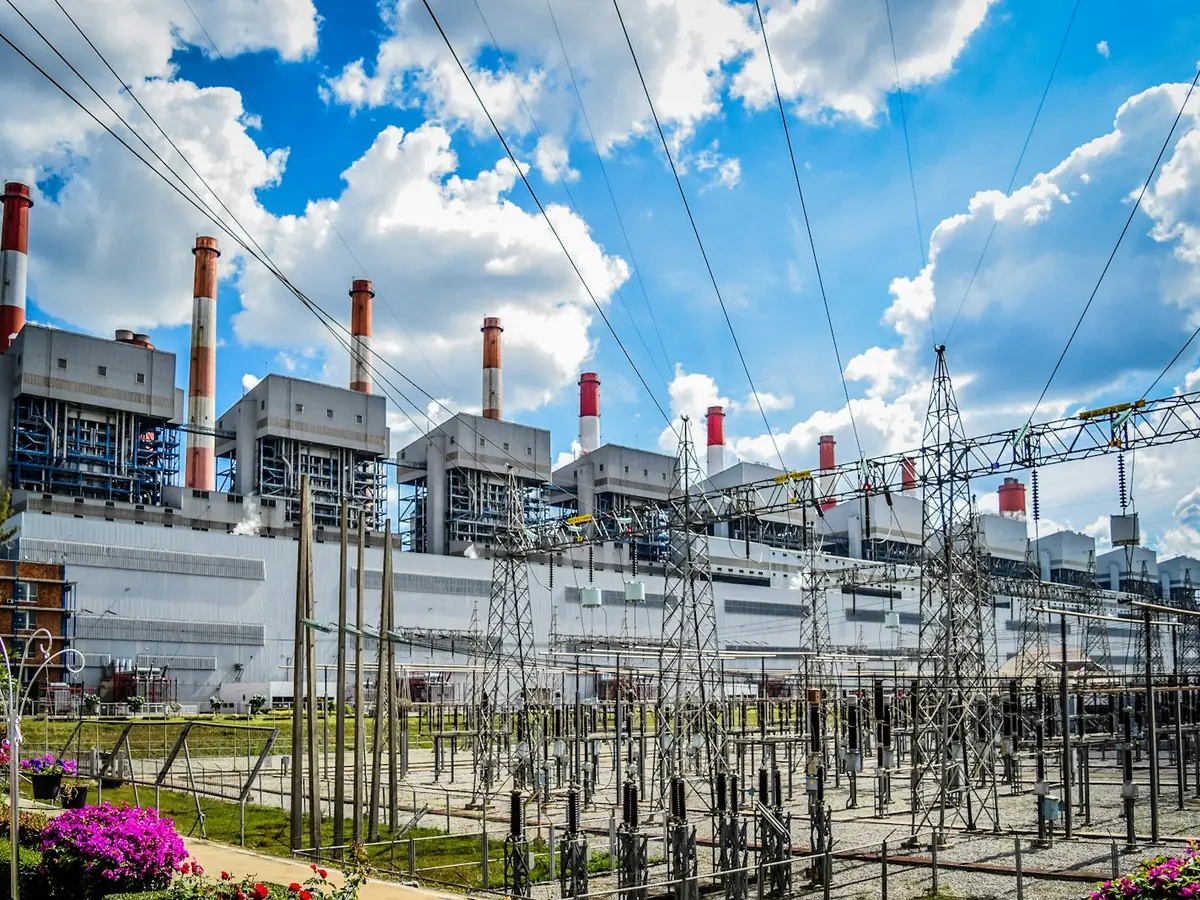
Electricity
CBAM for electricity: full price from day one
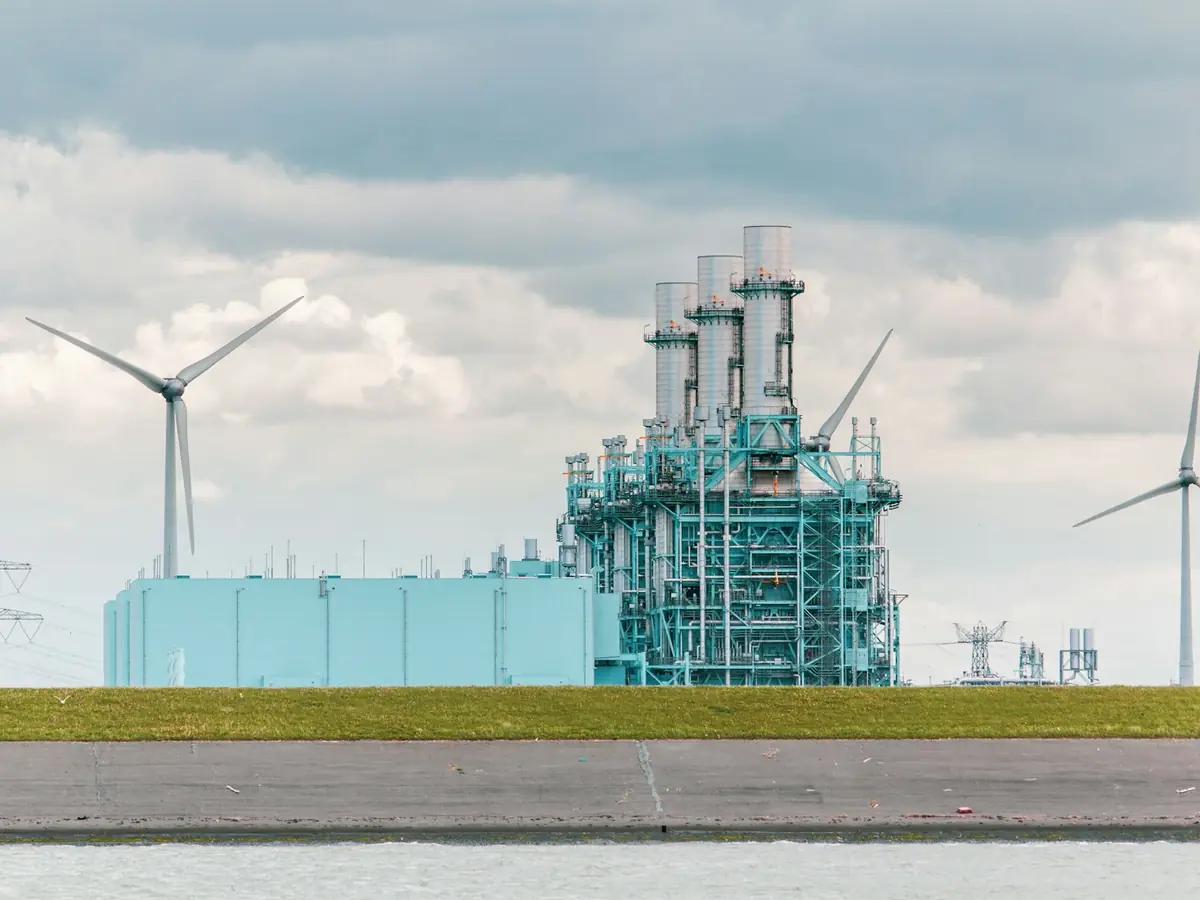
Hydrogen
CBAM for hydrogen: proof beats colour
Timeline: the next two years
The deadlines are linked. Missing one step puts pressure on the next.
- 1 Jan 2026CBAM definitive period
Imports above 50 tonnes a year only as an authorised CBAM declarant.
- 31 Mar 2026Authorisation application
Applicants by this date may keep importing until a decision is made.
- 1 Feb 2027Certificate sales start
Certificates for 2026 imports at 2026 quarterly prices.
- 31 Mar 2027Quarterly holding
From 2027, hold certificates for at least 50 % of the emissions of goods imported so far in the year.
- 30 Sep 2027First annual CBAM declaration
Declaration and surrender of certificates for 2026.
- 202830 % mark-up · EU ETS 2
Default values with a 30 % mark-up; EU ETS 2 starts for fuels.
- 2030Free allocation halved
The CBAM factor falls to 51.5 %.
- 2034Free allocation ends
Certificates for all embedded emissions.
Less free allocation, larger paid share
Each year's share of embedded emissions covered by free allocation, and the share paid with certificates. Half by 2030, nothing left by 2034.
A roadmap in three steps
Check your obligations
See in two minutes whether EU ETS or CBAM applies and which deadlines are ahead.
Start the check →Reduce them with real data
With CO₂ Manager and our team, determine actual emissions per product and make them audit-ready.
Are you covered by emissions trading?
Answer a few short questions to see whether EU ETS 1, EU ETS 2 or CBAM applies to you, and what to do next. Free, takes two minutes.
CBAM cost estimator
Enter your product and annual import volume to see the carbon cost per tonne and in total from 2026 to 2034. Add your supplier's actual value to compare it with the default.
Not just software, a team by your side
From training to verification, our team supports every step of your carbon processes.
Frequently asked questions
Who pays for CBAM?
The authorised CBAM declarant in the EU, usually the importer. Costs flow into purchase prices; suppliers with verified low emissions gain an advantage.
Am I exempt below 50 tonnes?
Yes. Below 50 tonnes net mass per year, all CBAM goods combined, no CBAM obligations apply. Electricity and hydrogen do not count towards the threshold.
Why does actual data matter so much?
Without it, default values with up to a 30 % mark-up apply. For efficient suppliers the difference can reach several hundred euros per tonne.
What does CO₂ Manager provide?
Supplier data collection, CBAM cost planning, your own ISO 14064-1 inventory and an audit-ready trail. Our team supports training, consulting and verification.
30 minutes for your sector
We work through what CBAM and emissions trading mean for you, using your own numbers.
Sources: Regulation (EU) 2023/956; Implementing Regulations (EU) 2025/2620, 2025/2621 and 2026/1740; European Commission CBAM certificate price (Q3 2026); Directive 2003/87/EC (EU ETS). All figures are indicative. European Commission: CBAM · European Commission: EU ETS